
Lantana Weed Management in Lockyer Valley
- Locally Owned & Trusted
- Eco-Friendly Weed Management
- Tailored to Your Land
Request a Call Back
Thank you for contacting 2K Pasture Management and Consulting.
We will get back to you as soon as possible.
Oops, there was an error sending your message.
Please try again later.
Lockyer Valley Weed Control
At 2K Pasture Management & Consulting, we deliver practical, integrated weed management solutions across the Lockyer Valley. Whether you're a homeowner, landholder, or local council. We provide weed management solutions backed by extensive industry experience. Every service is tailored to your land, using real insight and local experience.
Here’s how our weed management service supports better outcomes:
- Eco-system conservation
- Increase land productivity and usability
- Backed by hands-on research
Our weed management services work alongside our
vegetation management and
research and development offerings to deliver complete land management. Call
0428 726 393 to chat about your land and how we can help it thrive.
Get Sustainable Results Now
Weed Management That Gets Results
When weeds are left to run wild, they choke out the good stuff. That’s why weed management isn’t just about spraying—it’s about knowing what you’re fighting and when to act.
Our team uses a mix of targeted herbicide applications, re-seeding and pasture nutrition to take back control of invaded land. We work with landholders to develop plans that don’t just tick a box, but actually work.
No two blocks are the same, so we look at weed lifecycle, soil conditions and existing vegetation before we touch the sprayer. The result? Stronger pasture, reduced fire risk and more productive use of your property. Whether you're a hobby farmer or managing hundreds of hectares, good weed control makes a big difference.
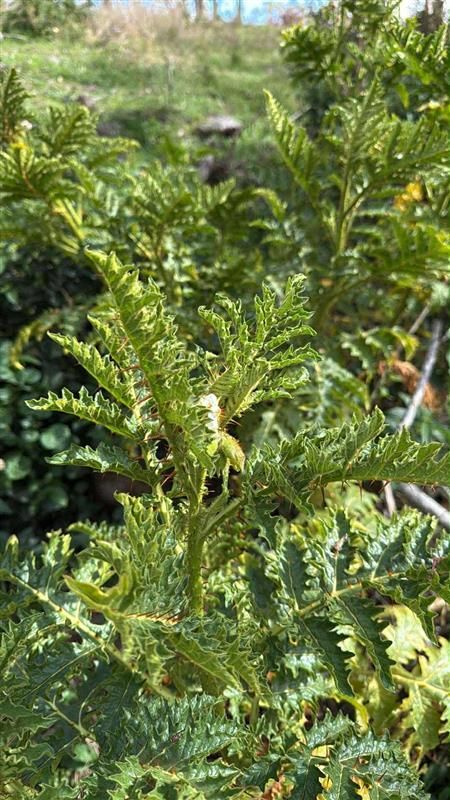
Rubber vine for example is a highly invasive weed, has re-emerged in Queensland's Lockyer Valley for the first time in over 50 years. Biosecurity teams are acting fast to prevent its spread. 2K Pasture Management and Consulting can assist landholders with early detection, strategic control plans, and long-term weed management solutions.
Click here for more information.
Frequently Asked Questions
What is the best time of year for weed control?
It depends on the type of weed. Some are best tackled in late winter before they seed, while others need attention in early spring. For instance, broadleaf weeds respond well to treatment just as they start actively growing.
In South East Queensland, timing can shift slightly depending on rainfall and temperature patterns. A good weed management plan should include seasonal strategies.
How long does it take to see results after weed treatment?
Visible effects can show up within a week, especially with fast-acting herbicides. However, full control might take several weeks or even months depending on the weed species, weather and the treatment method.
Long-term success also relies on follow-up treatments, soil care and sometimes re-seeding to outcompete regrowth.
Can weed management help improve pasture quality?
Yes. Removing invasive species gives desired grasses more room, light and nutrients to grow. Pairing weed control with soil amendments or re-seeding can lead to significant improvements in pasture cover and productivity.
In the long term, this can reduce erosion, boost livestock feed quality and make land easier to manage.
What types of weeds can be treated?
Most broadleaf weeds, woody weeds and invasive grasses can be treated with the right strategy. This includes lantana, thistles, parthenium, giant rat’s tail grass and more.
Treatments may involve herbicides, mechanical removal or integrated methods depending on the scale and type of infestation.
Why is lantana considered such a serious problem for grazing properties?
Lantana forms dense thickets that outcompete pasture grasses, restrict stock movement and reduce carrying capacity. In grazing systems, infestations often spread along fence lines, gullies and shaded edges where stock avoid pressure.
Over time, this creates uneven grazing patterns and bare soil elsewhere, increasing erosion risk. Lantana is also toxic to cattle and sheep when consumed in quantity, especially during feed shortages. These impacts combine to lower productivity, raise management costs and complicate mustering.
Without intervention, lantana rarely stabilises; it expands gradually, making early, targeted management far more cost effective than large-scale recovery later across mixed farming landscapes regionally wide.
How does lantana affect grazing land and pasture performance over time?
Lantana gradually reduces pasture performance by shading grasses and competing for moisture and soil nutrients. As infestations thicken, useful forage species decline and bare ground increases underneath the canopy.
Stock access becomes difficult, limiting grazing patterns and mustering efficiency. Over time, carrying capacity drops and paddock utilisation becomes uneven. Lantana can also slow pasture recovery after drought due to persistent root systems. In heavily infested areas, landholders often face higher input costs to restore productive pasture.
Left unmanaged, lantana dominance can shift land use potential away from grazing altogether. This long-term decline often happens gradually and may go unnoticed until productivity losses become significant.
Is lantana dangerous for livestock and working animals?
Lantana contains toxins that can cause serious health issues in cattle, sheep and horses. Symptoms may include photosensitivity, liver damage and reduced appetite.
Risks increase during dry conditions when pasture feed is scarce and animals graze unfamiliar plants. Young or newly introduced stock face higher exposure due to limited grazing experience. Working animals can also suffer skin irritation when moving through dense lantana stands. Losses may occur without obvious early warning signs.
Even low levels of ingestion over time can impact condition and weight gain. Managing lantana reduces these risks and supports safer grazing environments across mixed-use agricultural properties.
Why does lantana often return after initial control efforts?
Lantana regrowth is common because the plant has a resilient root system and a large soil seed bank. Seeds can remain viable for many years and are spread by birds, water movement and machinery.
Disturbing the soil during clearing can trigger fresh germination. Incomplete follow-up allows young plants to establish quickly. Seasonal conditions also influence outcomes, with warm, wet periods favouring rapid regrowth. Single-method approaches rarely address all life stages.
Long-term success relies on staged control and ongoing monitoring. Without consistent management, treated areas can revert to dense infestations within a few growing seasons.
How does lantana impact native vegetation and biodiversity?
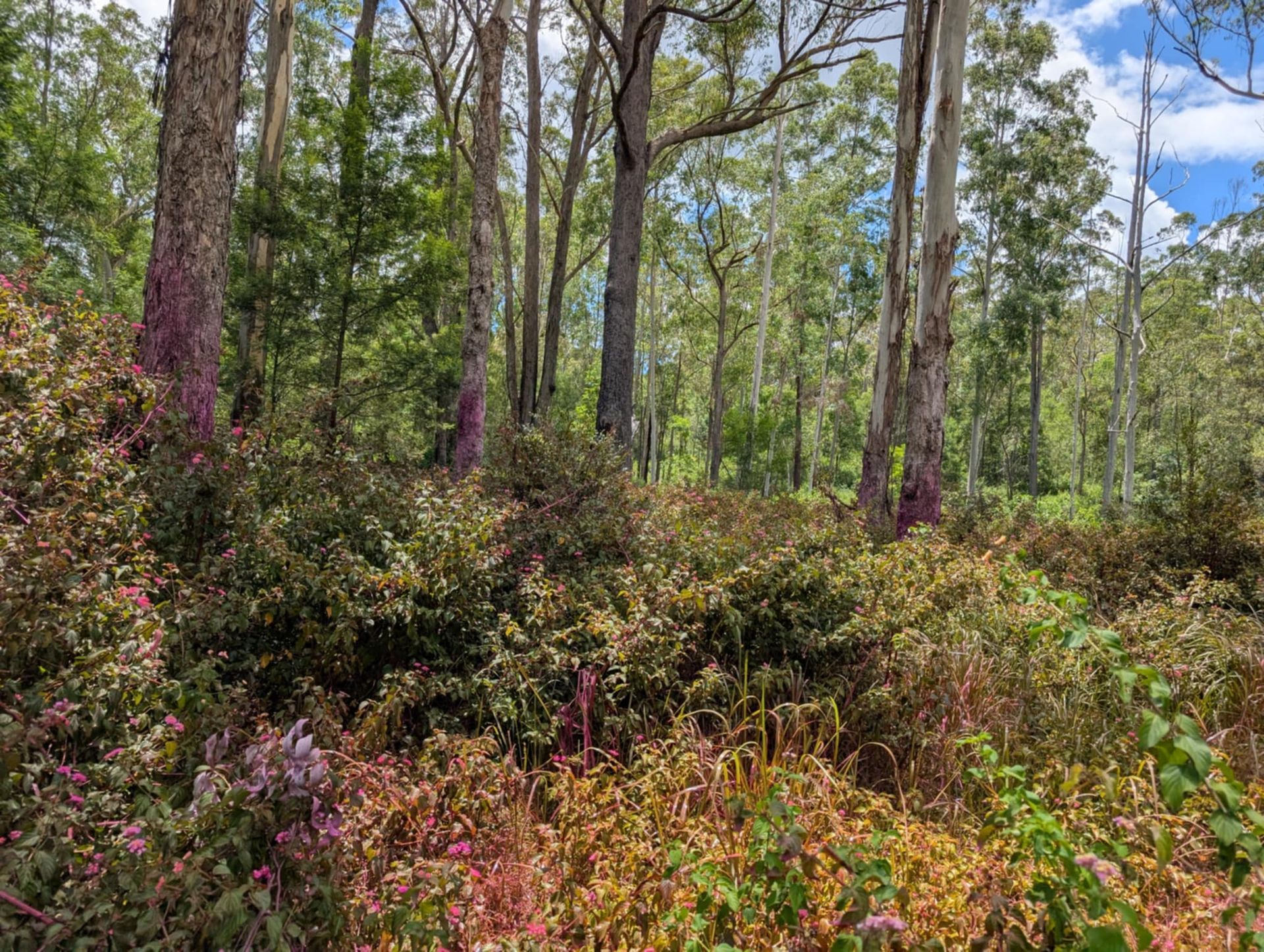
Lantana forms dense monocultures that suppress native groundcover and shrubs. This reduces plant diversity and alters habitat structure for wildlife. Native seedlings struggle to establish under heavy shade and leaf litter.
Over time, this changes food availability and shelter for birds, reptiles and insects. Some species decline as habitat becomes simplified. Lantana can also alter soil chemistry, making conditions less favourable for native regeneration. In riparian zones, infestations destabilise banks and affect waterway health.
Biodiversity loss often occurs gradually, making impacts less visible initially. Effective management helps restore ecological balance and supports healthier native plant communities across rural and semi-natural landscapes.
Why is lantana particularly difficult to manage on steep or hard-to-access land?
Steep or inaccessible areas limit machinery use and increase safety risks for operators. Lantana often thrives in these locations due to reduced disturbance and limited grazing pressure.
Manual control is labour intensive and time demanding on slopes. Chemical application can be challenging due to coverage issues and runoff risks. Access constraints also reduce follow-up frequency, allowing regrowth to establish.
Weather events may spread seed downslope into previously clean areas. These factors combine to slow progress and raise costs.
Strategic planning is essential to prioritise high-risk zones and prevent further spread into surrounding productive or environmentally sensitive land.
How does lantana influence fire behaviour on rural properties?
Lantana contributes to higher fire intensity due to its dense structure and flammable oils. Thickets allow fire to climb into tree canopies, increasing crown fire risk. This can damage mature trees and reduce post-fire recovery.
Fires burning through lantana often burn hotter and for longer periods. Access for firefighting and backburning becomes limited in heavily infested areas.
After fire, lantana often regenerates quickly, sometimes faster than native species. This creates a repeating cycle of infestation and fire risk.
Managing lantana helps reduce fuel loads and supports safer fire behaviour across mixed farming and bushland properties.
What are the long-term benefits of consistent lantana weed management?
Consistent lantana management delivers cumulative benefits over time. These benefits include:
- Reduced weed pressure improves land usability, pasture productivity and access.
- Native vegetation has greater opportunity to recover, supporting biodiversity.
- Fire behaviour becomes more predictable and manageable.
- Infrastructure maintenance becomes easier and safer.
Long-term control also lowers future management costs by preventing large-scale reinfestation. These benefits compound gradually and may not be immediately visible.
A consistent approach protects land value and supports sustainable land use across agricultural and mixed landscapes.


